 Global Phonics And Literacy Learning And Research Centre
Search the entire website
GPLRC Search Center
Entire WebsiteNews and EventsOur ProjectsOur ReportsOur Trainings
Start Your Search
GPLRC Search Center
The gold standard teaching qualification
Certificate in Teaching English to Speakers of Other Languages
We are committed to delivering world-class teacher training and professional development opportunities for educators. Over the years, we have worked closely with leading institutions, including Cambridge English Training Professionals, to design and deliver high-quality teacher training programmes that meet international standards.
In addition, Smart Rudder has successfully arranged exclusive training opportunities for teacher groups at the Cambridge University Press and Assessment headquarters, providing participants with direct access to cutting-edge resources, expert-led workshops, and insights into the latest innovations in English language teaching and assessment. Through these initiatives, Smart Rudder continues to empower teachers with advanced skills, global best practices, and internationally recognized credentials that elevate their careers and enrich learning outcomes worldwide.
CELTA
Certificate in Teaching English to Speakers of Other Languages
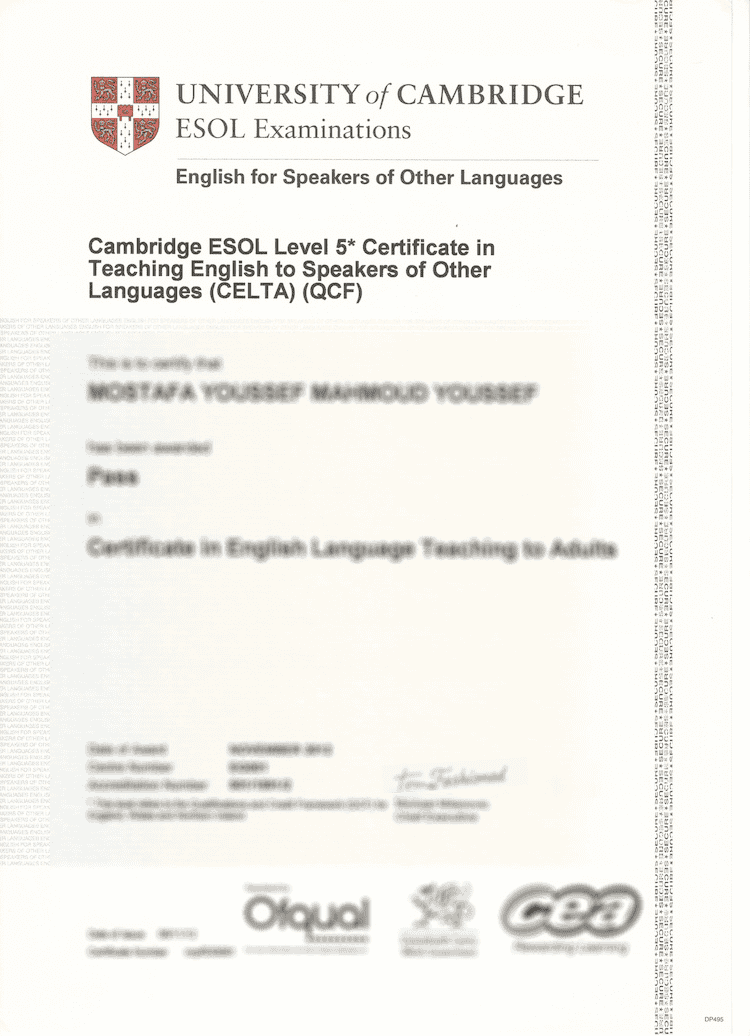
CELTA from Cambridge is a qualification for teaching English as a foreign language. It is the most widely recognised English teaching qualification in the world and the most often requested by employers; three out of four English language teaching jobs require a CELTA qualification*.
It focuses on developing practical techniques, and includes face-to-face or online teaching practice with groups of learners, which will give you the confidence you need to begin teaching in as little as four weeks.
Whether you’re looking for your first teaching job, or you want to prove to employers that you have the required teaching skills with a recognised certificate, CELTA from Cambridge is the qualification you need.

You will be assessed throughout the course and there is no final examination. The two types of assessment are:
Teaching practice
You will teach for a total of 6 hours, working with adult classes at a minimum of two levels of ability. Assessment is based on your overall performance.
You will complete four written assignments (each 750–1,000 words). These focus on:
Your teaching practice and written assignments are assessed by your trainers during the course. Your trainers will discuss your progress with you, including in at least two one-to-one tutorials, so you should have a good idea of your strengths and areas to focus on.
There are four possible grades for CELTA:
At the end of your course you will be given a candidate report form, which will give your provisional grade. This will also say whether you took the course face-to-face, online or as a mix of face-to-face and online.
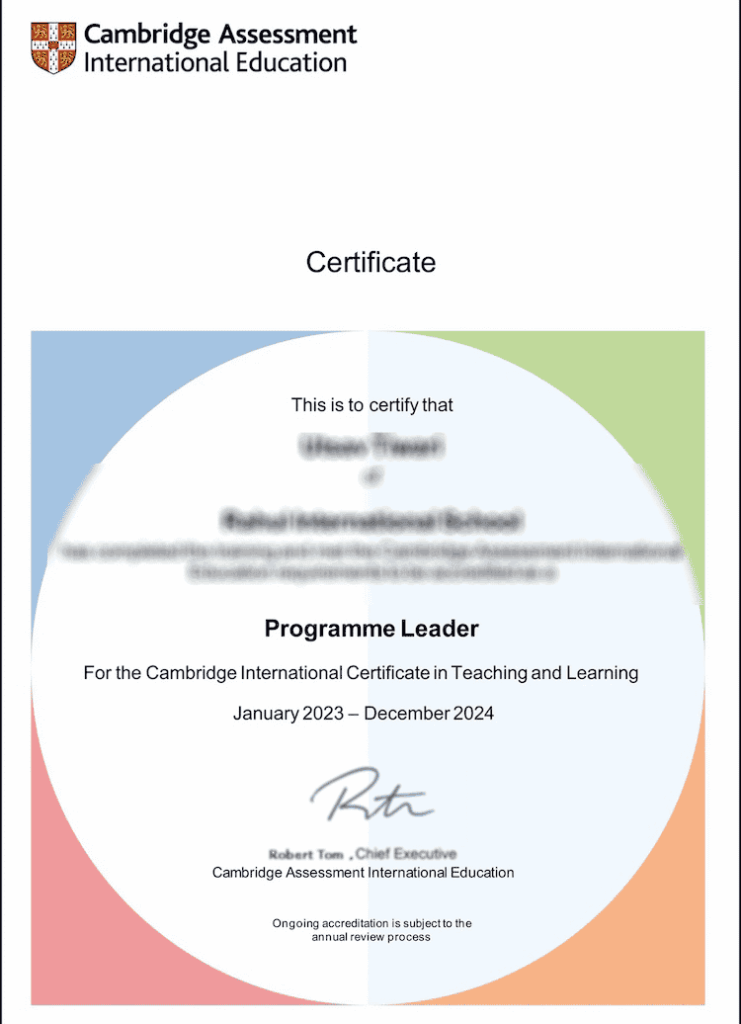
Cambridge English will issue your certificate when grades have been confirmed. Certificates are usually despatched up to eight weeks after the completion of the course. The certificate will state your name, grade, the centre number where you took the course and the date of the award.
There’s no need to worry – your CELTA interview is about getting to know you, finding out about your skills and motivations, and making sure the course is right for you.
Here are our top tips for preparing for your interview.
The CELTA interview isn’t a test. Instead, it’s designed to get to know you. During the interview, you’ll talk about your experience, goals and the course content, so you and your interviewer can be sure it’s the right qualification for you.
Your application form will give you a good idea of the kind of areas you’ll be asked about during the interview. Take time to review it ahead of your interview to be fully prepared.
Do you know what to expect on a CELTA course? There’s lots to consider when taking a course, which is why it’s important to do your research. Here are some questions you could research ahead of your CELTA interview:
It’s also a good idea to prepare some good, relevant questions to ask the interviewer. This shows you’re interested and can give you a greater insight into the course.
4. Think about why you want to take CELTA
What do you expect to get out of taking CELTA? Be prepared for your interviewer to ask this question and answer honestly – they just want to understand your real motivation behind taking the course.
5. Consider your reaction to feedback
Receiving feedback can help you develop your skills, identify your strengths, and the areas that you need to practise more. An important part of CELTA is getting feedback from your trainer and fellow trainees, so it’s important to think about how you feel and react to receiving feedback.
6. Reflect on your previous experience of studying
Looking back on your previous experience of studying, what worked well for you and what didn’t? Reflecting on your past school, university or training experiences can help you understand how you learn best. Your interviewer may explore why you’ve chosen a particular type of CELTA course to make sure it’s the most suitable for you.
7. Explore your beliefs about teaching and learning
Our previous experiences play a huge role in our beliefs and views of the world. Whether you’re new to teaching or already have experience, it’s important to think about your beliefs about teaching and learning.
If teaching is a new career path for you, you could think about your experience of being taught by a particular teacher – what worked well and why? Or, if you are already a teacher, what activities and lessons have worked well with your students? Consider what made them successful and how this informs your teaching practice.
8. Get set up online
Many CELTA interviews will be done online. Make sure you are calm and prepared for your interview by checking your speaker and microphone are working, and set yourself up in a place that is quiet and connected to the internet.
Other Teacher Certification Courses
Recommendation
Online Message